
Possible Characteristics of FASD
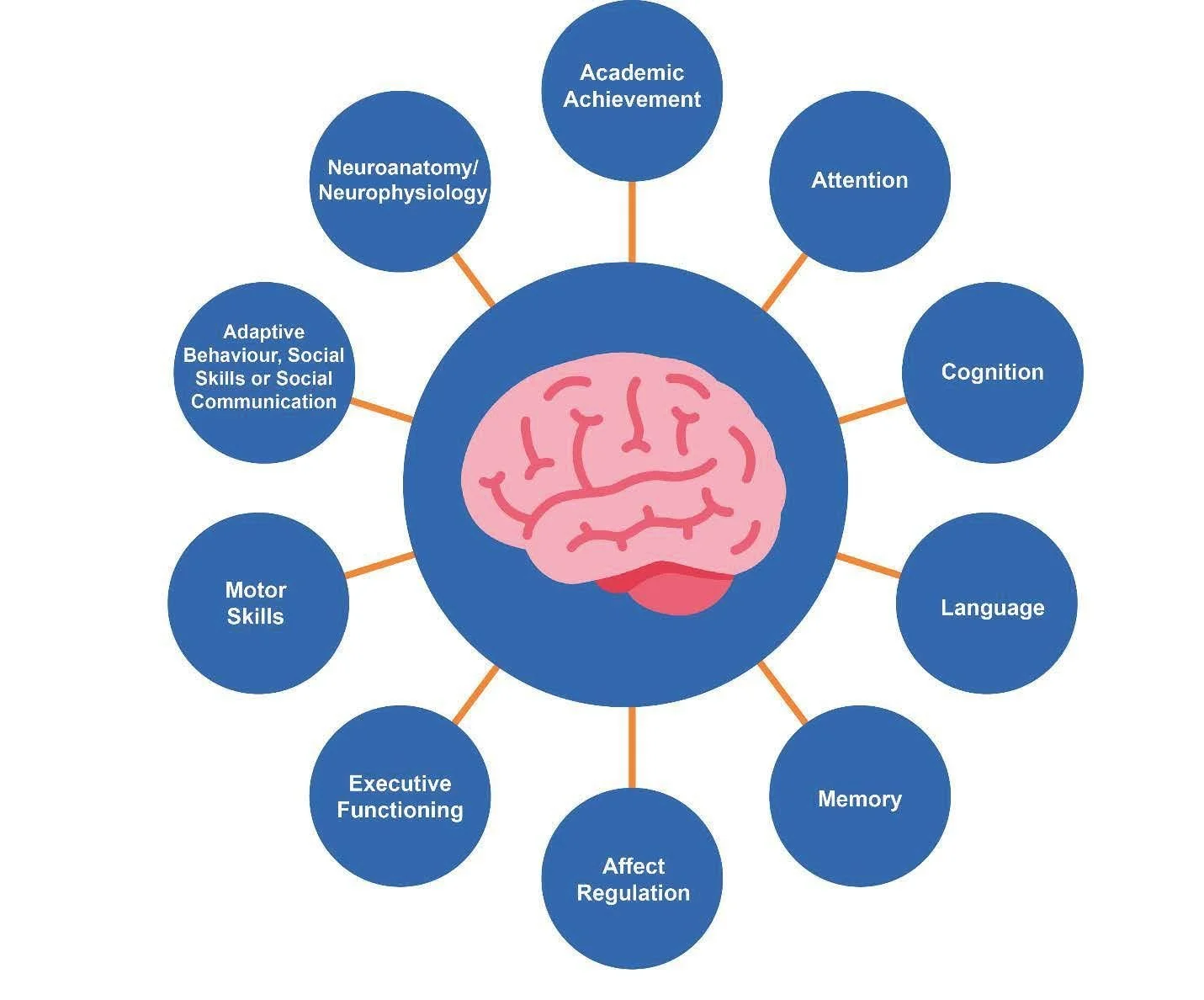
While every person with FASD is unique, some common characteristics include (CDC, 2024; Mattson, SN et al., 2019; Waite, D & Burd, L., 2023):
Physical
Differences in body weight, coordination, vision or hearing, or conditions affecting the heart, kidneys, or bones.
Learning
Difficulties with memory, speech and language development, and learning that may benefit from individualized educational support.
Behavioral
Differences in attention, impulse management, emotional regulation, and executive functioning — all of which respond well to consistent, supportive environments.
Sensory
Strong eating preferences, sensitivity to certain textures, and heightened or reduced sensitivity to auditory, visual, or physical stimuli.
Social
Differences in reading social cues, navigating peer relationships, and social communication — areas where structured support can make a meaningful difference.
Strengths and Positive Traits
Research shows that family members often describe individuals with FASD as having a range of strengths and positive qualities (Kautz-Turnbull, C et al., 2022). Common strengths include being loving, forming strong family connections, being sociable, showing trust, warmth, energy, and creativity (Kautz-Turnbull, C et al., 2022).
Individuals with FASD are also often described as friendly, helpful, and generous; outgoing, verbal, and good storytellers; artistic, musical, mechanical, and athletic; determined, hard-working, and persistent; and forgiving, non-judgmental, and good with children and animals (Flannigan, K et al., 2018). Many are strong hands-on and visual learners who thrive in non-traditional learning environments, and research on school and justice-system experiences has identified strengths such as resilience, hope, self-awareness, adaptability, and willingness to change (Flannigan, K et al., 2018).
A strengths-based, people-first approach shows how these traits can translate into real community contributions. Individuals with FASD have used a preference for routine and hands-on, repetitive work to repair bikes and mobility aids for others in need, drawn on strong visual and sequential thinking to train future occupational therapists, and channeled creativity into cooking for their neighbors (Bissell Centre, 2022). As one FASD consultant has noted, FASD can also stand for Faith, Ability, Strength, and Determination (Flannigan, K et al., 2018).
Every person with FASD is unique.
Similar or Co-Occurring Conditions
People with FASD sometimes receive incorrect diagnoses because FASD characteristics can appear similar to other conditions such as autism or ADHD (CDC, 2024). It is also possible for someone with FASD to have more than one diagnosable condition — in fact, nearly 9 in 10 people with FASD have at least one co-occurring condition (Weyrauch, D et al., 2017), such as:
Anxiety
Depression
Attention-Deficit/Hyperactivity Disorder (ADHD)
Bipolar Disorder
Sensory Processing Disorder
Oppositional Defiance Disorder
Autism Spectrum Disorder
For further resources, visit: Resources
Visit Get Support to get in touch with our team
Source: FASD United FASD Basics Fact Sheet, published March 2025.